
language
English
العربية
বাংলাদেশ
Български
Hrvatski
Česky
Dansk
Nederland
 Esperanto
Slovenski
Filipino
Suomi
Français
Maori
 Shqiptare
Georgian
 Euskara
Deutsch
Ελλάδα
ישראל
इंडिया
Magyarország
Ísland
Indonesia
Irlanda
Italia
日本語
Sovensko
Հայաստան
한국
Kyrgyz
ປະເທດລາວ
 Zulu
Zulu
Latvian
Lithuanian
Luxembourgish
 Latinus
Macedonian
Малайская
Maltese
Монгол улс
 Cymraeg
ဗမာ
 தமிழ்
தமிழ்
नेपाल
Norge
ایران
Polska
Portugal
România
Российская
Србија
 Slovak
Србија
 Slovak
Bosanski
Slovenian
Беларус
España
Sverige
Точик
ประเทศไทย
Türk
Azərbaycan
Uzbek
 Afrikaans
Việt Nam

What You Need to Know About Thermostatic Cartridges in the Building and Decorative Materials Industry
Time:
2023-12-14
Thermostatic cartridges play a crucial role in the functionality of quick-opening or valve cores within the building and decorative materials industry. These small but essential components are responsible for maintaining water temperature and regulating flow, ensuring optimal performance in various plumbing systems. In this article, we will delve into the world of thermostatic cartridges, shedding light on their importance, functioning, and benefits.
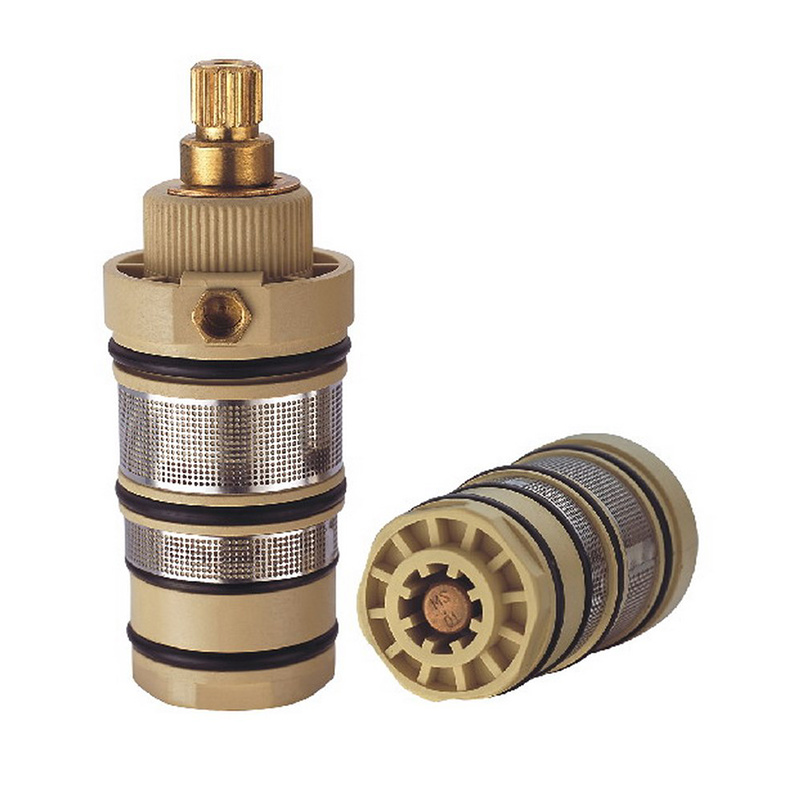
At its core, a thermostatic cartridge is a specialized valve component that controls the temperature of water in a plumbing system. It achieves this by balancing the proportion of hot and cold water entering the system, maintaining a consistent output temperature that matches the desired settings. This temperature regulation is particularly critical in environments such as showers, where sudden temperature fluctuations can lead to discomfort and even accidents.
The functionality of a thermostatic cartridge is based on a temperature-sensitive element, usually made of wax or a similar material. This element expands or contracts based on changes in water temperature, activating the valve to adjust the water flow accordingly. When the desired temperature is reached, the thermostatic cartridge maintains a stable output by continuously readjusting the hot and cold water proportions.
By utilizing a thermostatic cartridge, users can enjoy a range of benefits. Firstly, it provides precise temperature control, allowing individuals to easily set and maintain their preferred water temperature, regardless of external factors. This ensures comfort and safety, particularly for vulnerable populations such as children or the elderly.
Secondly, thermostatic cartridges offer protection against scalding or sudden cold shocks. In the event of a disruption in the hot water supply, the cartridge reacts quickly to limit the flow, preventing the user from being exposed to dangerously high or low temperatures. This feature is especially crucial in residential and commercial settings where multiple users rely on a shared water system.
Additionally, thermostatic cartridges contribute to water conservation efforts. With their ability to maintain a constant output temperature, users avoid wasting water by continuously adjusting the mix of hot and cold water manually. This not only helps to reduce water consumption but also promotes sustainability and cost-effectiveness in the long run.
In conclusion, thermostatic cartridges are indispensable components in the building and decorative materials industry, specifically in the realm of plumbing and hardware. Their ability to regulate water temperature, ensure comfort and safety, and contribute to water conservation make them a key element in various applications. By understanding the importance and functionality of thermostatic cartridges, professionals in this field can make informed decisions and provide efficient solutions to meet the needs of their clients.
At its core, a thermostatic cartridge is a specialized valve component that controls the temperature of water in a plumbing system. It achieves this by balancing the proportion of hot and cold water entering the system, maintaining a consistent output temperature that matches the desired settings. This temperature regulation is particularly critical in environments such as showers, where sudden temperature fluctuations can lead to discomfort and even accidents.
The functionality of a thermostatic cartridge is based on a temperature-sensitive element, usually made of wax or a similar material. This element expands or contracts based on changes in water temperature, activating the valve to adjust the water flow accordingly. When the desired temperature is reached, the thermostatic cartridge maintains a stable output by continuously readjusting the hot and cold water proportions.
By utilizing a thermostatic cartridge, users can enjoy a range of benefits. Firstly, it provides precise temperature control, allowing individuals to easily set and maintain their preferred water temperature, regardless of external factors. This ensures comfort and safety, particularly for vulnerable populations such as children or the elderly.
Secondly, thermostatic cartridges offer protection against scalding or sudden cold shocks. In the event of a disruption in the hot water supply, the cartridge reacts quickly to limit the flow, preventing the user from being exposed to dangerously high or low temperatures. This feature is especially crucial in residential and commercial settings where multiple users rely on a shared water system.
Additionally, thermostatic cartridges contribute to water conservation efforts. With their ability to maintain a constant output temperature, users avoid wasting water by continuously adjusting the mix of hot and cold water manually. This not only helps to reduce water consumption but also promotes sustainability and cost-effectiveness in the long run.
In conclusion, thermostatic cartridges are indispensable components in the building and decorative materials industry, specifically in the realm of plumbing and hardware. Their ability to regulate water temperature, ensure comfort and safety, and contribute to water conservation make them a key element in various applications. By understanding the importance and functionality of thermostatic cartridges, professionals in this field can make informed decisions and provide efficient solutions to meet the needs of their clients.
LATEST INFORMATION

Company address: No.15,gold coast avenue,sanzao town,jinwan district,zhuhai,china
-
Website: www.zhmingshi.com
-
Tel:0756-7613666
Domestic:13232261789
Overseas:13232263789 -
Domestic email: cartridge@zhmingshi.com
Foreign email: sales@zhmingshi.com
MESSAGES

Online Message